

Wiring Methods for Adding Kitchen Circuits
|
How should I wire kitchen electric circuits? How to Install Electrical Circuits in a Kitchen for Dish Washer and Garbage Disposal Outlet, Microwave Oven and more. © By: Dave Rongey |
Kitchen Electrical Wiring
Electrical Question: How should I wire kitchen electric circuits?
I want to put in an over the range microwave oven and was wondering if it is okay to put it on the 2-20amp and 40 amp breaker.
- My kitchen circuit consists of two 20 amp breakers that are tied together. I have an electrical panel that is maxed out on circuit breaker spaces.
- There’s 12 gauge wire coming from each of the 20 amp breakers.
- They feed four kitchen counter outlets and also feed the refrigerator and the washing machine which is on the other side of the wall.
- The dishwasher has its own circuit and I’ll be splitting it with the new 1/3 hp garbage disposal, according to your Dish Washer and Garbage Disposal outlet and switch diagram.
- My one other option is to share the micro with the sump pump breaker. Also, on the the Dish Washer and Garbage Disposal switch setup that you show in the wiring diagram, is there a way to do that with a GFCI outlet?
Thanks By The Way for the wiring diagrams.
Thanks for your time!
This home electrical wiring question came from: Randy, from Portland, Oregon.
Dave’s Reply:
Thanks for your electrical wiring question Randy.
How to Install Electrical Circuits for the Kitchen
Application: Installing Kitchen Circuit Wiring and Circuits.
Skill Level: Intermediate to Advanced, best performed by a Licensed Electrician.
Tools Required: Basic Electricians Pouch Hand Tools, electric drill, auger bits and extension cord.
Estimated Time: Depends on personal level experience, ability to work with tools and install kitchen electrical circuit wiring.
Notice: Installing additional electrical circuit wiring should be done according to local and national electrical codes with a permit and be inspected.
Electrical Panels and Circuit Wiring
A common mistake about circuit breakers is when a 2-pole breaker is added up as a total value, and this is incorrect. The 2-pole 20 amp circuit breaker is not considered 40 amps, it is two separate circuits of 20 amps. Circuit breakers should not be shared for more than one wire or branch circuit, and typically devices such as a microwave oven requires its own dedicated 20 amp circuit, depending of the size and specifications. From what you have described there is the possibility of circuit overloading of the kitchen circuits that are shared with the refrigerator and the washing machine, which each require their own dedicated circuits. GFCI outlets do not have the capability for being a split or switched outlet such as a duplex receptacle outlet.
- How to Create More Circuit Breaker Spaces
- Depending on the brand and type of electrical panel, it may allow for twin circuit breakers to be installed where one space may be used for two circuit breakers, and possibly quad circuit breakers with tied handles in the case of multi-wire circuits.
- NOTE: Additional Kitchen Circuits Require a Permit and Inspection
- Be sure to obtain a permit and the necessary inspections for the work that is being. Projects such as this are best performed by a licensed electrical contractor.
See More about Wiring a Kitchen and Home Electrical Circuits
How to Install Kitchen Electric Wiring
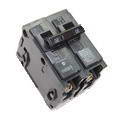
Home Electrical Circuit Breakers
A guide to home electrical circuit breakers and how they work to protect your electrical wiring. When properly installed, your home electrical wiring is protected by a circuit protection device.
Guide to Home Electrical Wire Types
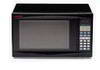
Microwave Circuit Wiring
In kitchens it is common practice that if a microwave oven will be installed at a given location, such as Hood-Fan Microwave Ovens, that a Dedicated 20 Amp Circuit is always installed.

GFCI Wiring
This list of articles will help you learn about the features and benefits provided by GFI and GFCI Receptacles and how they are wired.
The following may also be helpful for you:
|
|
Be Careful and Be Safe - Never Work on Energized Circuits!
Consult your Local Building Department about Permits and Inspections for all Electric Wiring Projects.


More articles about 120 Volt Kitchen Circuits, Electrical Wiring, Kitchen Electrical and Home Electrical Wiring: |
|
| « Previous | Next » |
How to Replace a 3 Way Switch with a 3 Way Dimmer Switch |
Making the Right Ceiling Fan Wiring Connections |