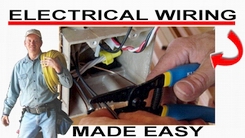


Splicing 220 Volt Wiring
|
How to Splice 220 Volt Electrical Wiring: Considerations when splicing 220 volt cable wiring in order to make the splice safe, accessible and makes sure the circuit maintains integrity. © By: Dave Rongey |
Guide to Splicing 220 Volt Wire
Electrical Question: I’m splicing a new 8/3 cable with ground to an old 8/3 cable without a ground wire.
- Should I join the new neutral white and ground with the old neutral white?
This electrical wiring question came from: Michael, a Electrician from Ooltewah, Tennessee.
Additional Comments: Love the website.
Dave’s Reply:
Thanks for your electrical wiring question Michael.
Splicing Electric Wire and Cables
Application: Splicing Electrical Wiring.
Skill Level: Intermediate to Advanced. This electrical wiring project is best performed by a Licensed Electrical Contractor.
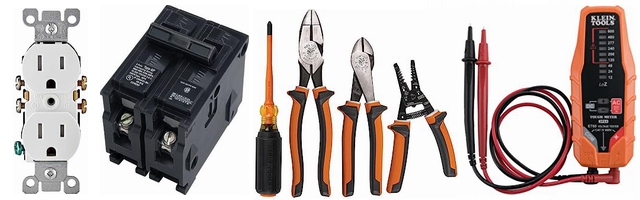
Tools Required: Basic Electricians Pouch Hand Tools and Voltage Tester.
Estimated Time: Depends on the personal level experience and ability to work with tools and access to the wiring.
Precaution: Identify the circuit, turn it OFF and then Tag it with a Note before performing any wiring.
Notice: Installing additional electrical wiring should be done with a permit and inspected.
Special Materials: Properly sized wire connectors, anti-corrosion ointment, electrical tape, junction box and blank cover.
How to Splice 220 Volt 3Wire and 4Wire Cables
There are a few considerations which need to be addressed when splicing 220 volt cable wiring in order to make the splice safe, accessible and makes sure the circuit maintains integrity.
- Safely Splicing 220 Volt Electrical Wires and Cables
- If the original 8/3 cable is fed from the main electrical panel and the neutral wire of the original cable is insulated (it should be), then yes you can bond both the new cables neutral and the ground wires together with the old cable’s insulated neutral wire.
- If the original 8/3 cable does not have an insulated neutral wire then you should only bond the ground wire of the new cable to the uninsulated wire from the original cable and the neutral wire of the new cable should be caped off with a wire connector at both ends and not used.
- The issue here is that newer equipment such as a range may require a separate insulated neutral wire, which is in reality a current carrying wire or conductor which requires it to be insulated. If the new equipment states that it’s ground and neutral wires may be bonded together with the circuit ground wire at the attachment point of the equipment the that may be done.
- A ground wire is not considered a current carrying conductor so it is not required to be insulated. The function of the ground wire is to bond the equipment to the main ground source which is at the main panel, so that in the event of an equipment failure the fault current will go directly to ground and will cause the circuit to trip off.
More about 220 Volt Electrical Wiring
- Electrical Wire for the Home
- Listing of electrical wire types and parts used for electrical projects with electrical code information and selection guidelines.
Home Electrical Junction Boxes

- Electrical Junction Boxes for Home Wiring
- Selecting a junction box for splicing wires and cable.
- The type and size of electrical boxes will depend on the circuit size, application and location.
Home Electrical Safety Articles
Home Electrical Safety
Electrical Safety Articles covering several topics of home electrical safety and Do-It-Yourself Electrical Safety.

Home Electrical Codes
Electrical Code Directory covering electrical wiring for electrical service panels.
The following may also be helpful for you:
|
|
Be Careful and Be Safe - Never Work on Energized Circuits!
Consult your Local Building Department about Permits and Inspections for all Electric Wiring Projects.


More articles about Electrical Repair, Electrical Wiring, Splicing 220 Volt and Home Electrical Wiring: |
|
| « Previous | Next » |
Extending Circuits for a Panel Relocation |
How to Fix an In Rush Power Problem and Tripped Circuit Breaker |