

Electrical Wiring Safety and Home Inspections
|
How to Troubleshoot Home Electrical Wiring Problems: Testing Electric Circuit Wiring, Home Electrical Wiring Inspection, Upgrading Older Home Electrical Wiring. © By: Dave Rongey |
Troubleshooting a Reverse Polarity Problem
Electrical Question: Why does my tester show that the neutral wire and the hot wire reversed?
- I have an 80 year old home that has electric service to the second and third floor bedrooms using standard Romex brand Type NM wire with a ground wire coming from the breaker box to a junction box.
- The home has some updated electrical wiring and now my polarity tester shows that the wiring is incorrect.
- The wiring turns into the old individual 2-wire, and then on the third floor the wiring changes back to the standard Romex with a ground where it feeds grounded outlets.
- The polarity tester shows that I have the neutral and the hot reversed but it is not the case that I can find
Do you have any suggestions?
Background: Wes is a Homeowner in Lancaster, Pennsylvania.
Dave’s Reply:
Thanks for your electrical wiring question Wes.
Application: Troubleshooting a Reverse Polarity Wiring Problem.
Skill Level: Intermediate to Advanced – Best performed by a licensed electrical contractor or certified electrician.
Tools Required: Basic Electricians Pouch Hand Tools and Voltage Tester.
Estimated Time: Depends on personal level experience, ability to work with hand tools and electrical troubleshooting skills.
Precaution: Identify the circuit, turn it OFF and then Tag it with a Note before performing any wiring or inspections.
Troubleshooting Outlet Circuit Wiring
- Testing Electric Circuit Wiring
- This circuit condition should be tested so the circuit polarity can be corrected, and checked for an open ground.
- Important: If the circuit wiring does not have a separate ground wire then polarity tests can have mixed results.
- Replacing Outlets Where There is No Ground
- From what has been described, the circuit does not have a continuous bonded ground wire, therefore grounded outlets should not be installed, however the receptacles should be replaced by 2-prong ungrounded outlets.
- Home Electrical Inspection
- Older homes such as this, that have a mix of original electrical wiring spliced together with other wiring types, should have an electrical inspection to determine the safety and integrity of the home electrical system.
- Upgrading Older Home Electrical Wiring
- Upgrading and replacing older electrical wiring is highly recommended to provide safe electricity for the home and its occupants.
- Ungrounded electrical cable, or old knob and tube wiring should be removed and replaced with Type-NM cable which has a ground wire and two insulated wires.
- Before grounded receptacle outlets are installed a ground wire must be present and verified.
More about Electrical Troubleshooting and Electrical Wiring
Troubleshoot Electrical Wiring

-
Troubleshooting and Repairing Old Electrical Wiring
- Secrets of Successful Electrical Troubleshooting Methods used to solve the majority of the home electrical problems and wiring failures encountered.
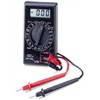
- Electrical Safety and Voltage Testers
- When working on home electrical wiring, quality voltage testers can play an important part in electrical safety.
- Electrical testers enable you to identify electrical circuits and help prevent the possibility of accidental electrical shock.

- Wiring Electrical Outlet for the Home
- Home electrical wiring includes 110 volt outlets and 220 volt outlets and receptacles which are common place in every home.
- See how to wire electrical outlets for the home.
Guide to Electrical Wires and Cable
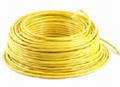
- Electrical Wire for the Home
- Complete listing of electrical wire types and parts used for home projects with electrical code information serves as selection guidelines.
Home Electrical Safety
Electrical Safety Articles covering several topics of home electrical safety and Do-It-Yourself Electrical Safety.

The following may also be helpful for you:
|
|
Be Careful and Be Safe - Never Work on Energized Circuits!
Consult your Local Building Department about Permits and Inspections for all Electric Wiring Projects.


More articles about Electrical Safety, Electrical Troubleshooting and Home Electrical Wiring: |
|
| « Previous | Next » |
How to Test a 240 Volt Dryer Circuit |
Ceiling Fan Direction for Winter Time |