

Causes of No Power to Electrical Circuit
 '; ';
|
How To Locate and Repair the Cause of Circuit Power Loss: Here is a Procedure to Help You Find the Cause of Lost Power to an Electric Circuit. © By: Dave Rongey |
Troubleshooting No Power to an Electric Outlet Circuit
[ad#block]Electrical Question: I have a single family home with two floors. Everything electrical works on the first floor but on the second floor, only one side of the house is working for electricity.
- I am not sure how to diagnose the problem. I know that my nephew was using a vacuum on the side that now doesn’t work and the electricity went out for the entire house.
- Everything was fine until a few months later, so hopefully you can guide me and tell me what to do.
Thanks
This electrical repair question came from: David, a Homeowner from Lawrence, Massachusetts.
Additional Comments: It’s a great website and I hope to learn from it.
Dave’s Reply:
Thanks for your electrical repair question David.
Preparations
Application: Troubleshooting and Repairing Outlet Problems.
Skill Level: Intermediate to Advanced – Best performed by a Licensed Electrician.
Tools Required: Basic Electricians Pouch Hand Tools, Voltage Tester or Volt Ohm Meter or plug-in circuit analyzer.
Estimated Time: Depends on the age of the home and the condition of the electrical wiring and access to the circuit wiring to be inspected, evaluated and repaired.
Precaution: Identify the outlet circuit at the electric panel, turn it OFF and then Tag it with a Note before performing any wiring inspections or electrical repairs. If an outlet or the electrical wiring is found to be damaged then repairs and replacement parts should be obtained with the same voltage and amperage rating.
Notice: Burnt or damaged electrical wiring and circuit components should be replaced with new electrical materials of the same voltage and amperage rating.
How To Locate and Repair the Cause of Circuit Power Loss
Procedure to Find the Cause of Lost Power to a Circuit
- The circuit outlets and receptacles will need to be identified.
- The circuit should then be shut off.
- Each outlet should be removed and inspected for a burnt connection or a burnt splice.
- Begin by inspecting the outlet that the vacuum cleaner was plugged into, because vacuum cleaners require a high amount of electricity that may create stress on the outlet circuit wiring and components.
- The damaged wire will need to be repaired.
- New wire connectors installed as needed.
- New receptacle outlet installed as needed.
More about Home Electrical Wiring Repairs

Troubleshooting and Repairing Electrical Wiring
Licensed Electrician Reveals the Secrets of Successful Electrical Troubleshooting Methods used to solve the majority of the home electrical problems and wiring failures encountered.
Using Testers to Identify Electrical Problems
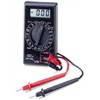
Testers to Help Solve Electrical Problems
Troubleshooting Electrical Wiring
Types of Electrical Testers
Using Electrical Testers
For more information about Home Wiring
Home Wiring

Home Wiring
Basic Home Wiring Diagrams with Pictures
The following may also be helpful for you:
Be Careful and Be Safe - Never Work on Energized Circuits!
Consult your Local Building Department about Permits and Inspections for all Electric Wiring Projects.
More articles about electrical circuit, Electrical Repair, No Power and Home Electrical Wiring: |
|
| « Previous | Next » |
Types of Generator Transfer Switches |
Understanding Home Generator Panels |