

Causes of Electrical Power Problems
 '; ';
|
I lost power to part of my house, what could be the problem? Common Causes of Lost Power or No Circuit Power, How to Troubleshoot the Cause of Home Electrical Circuit Problems. © By: Dave Rongey |
Troubleshooting Electrical Problems
Electrical Question: I lost power to part of my house, what could be the problem?
- I woke up this morning with no power in my upstairs which is fed by one circuit breaker.
- Half of my basement had power, which was on a different breaker, and my living room which is on a third breaker.
- The breakers were not tripped, they were showing they were supplying power but no power was present.
- I tried replacing the breaker and did not work. I also moved the breaker down a spot which had been working and it did nothing. But when I put the breaker back in the original spot and with a little bit of wiggling all three breakers turned on at same time.The three breakers were not next to each other on the panel.
- It has been raining pretty good here in Minnesota. Could my attic fan upstairs have shorted out or tripped the fan motor breaker with out popping the breakers down stairs and yet killing the power on the same breaker?
This electrical troubleshooting question came from Lucas in Jackson, Minnesota.
Dave’s Reply:
Thanks for your electrical wiring question Lucas.
Home Electrical Power Problems
Application: Troubleshooting – Testing Electrical Circuit Wiring.
Skill Level: Intermediate to Advanced – Best performed by a Licensed Electrician.
Tools Required: Basic Electricians Pouch Hand Tools and Voltage Tester or Continuity Tester.
Estimated Time: Depends on experience and level of problem solving skills.
Precaution: Testing live wires is dangerous and should be done by an experienced individual only. Testing using a continuity tester should only be made after the circuit has been identified and turned OFF and Tagged.
Common Problems that Cause Lost Power or No Circuit Power
How to Troubleshoot the Cause of Home Electrical Failures
Weather changes, heat and moisture can create problems with electrical circuits and could contribute to bad electrical connections. The following describes examples of electrical circuit problems.
- Circuit That Lost Power
- When multiple circuits are affected then this is a key indication that the main electrical service will need to be examined and tested by a professional electrician.
- Tracking Down Power Failures
- There are several problems that may be related to partial electrical service or power failures which require experienced troubleshooting skills and a lot of precautions.
- Electrical Panel Problems
- In some cases the power to the affected circuits may return, however if the problem was due to a deteriorating condition at the home electrical panel then the problems will not doubt return and often times get worse which can lead to an expensive repair job.
- Storms and Electric Utility Power
- In some cases a recent storm may have affected the main utility grid power and your home power, so it would be best to call the electrical utility service provider and explain the problems that you are experiencing and request that they come out and check the utility side of the home electrical service.
More about Troubleshooting Electrical Wiring

House Wiring Circuits and Circuit Breakers
This article looks at common 120 volt and 240 volt house wiring circuits and the circuit breakers that are installed identifying the types and amperage sizes used in most homes.
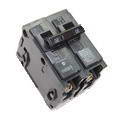
Home Electrical Circuit Breakers
A guide to home electrical circuit breakers and how they work to protect your electrical wiring. When properly installed, your home electrical wiring is protected by a circuit protection device.
Using Testers to Identify the Cause of why Electrical Power has been Lost
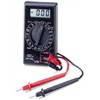
Testers Help Determine Conditions that Lead to Electrical Power Loss
Troubleshooting to Find Out Why Your Home Lost Power

How to Identify Lost Power
Licensed Electrician Reveals the Secrets of Successful Electrical Troubleshooting Methods used to solve the majority of the home electrical problems and wiring failures encountered.
The following may also be helpful for you:
Be Careful and Be Safe - Never Work on Energized Circuits!
Consult your Local Building Department about Permits and Inspections for all Electric Wiring Projects.
More articles about Electrical Troubleshooting, Electrical Wiring and Home Electrical Wiring: |
|
| « Previous | Next » |
Dimmer Switch Wiring and 3-Way Switches |
Junction Box Splice for a 220 Volt Electric Range Cable |