


Is it Safe to Replace Circuit Breakers in a Breaker Box?
|
I have a 200 amp breaker box, I want to replace two circuit breakers, is this OK? The total load on the breaker box is not the total of all of the breaker ratings added up. © By: Dave Rongey |
Breaker Box Circuit Breakers
Electrical Question: I have a 200 amp breaker box, I want to replace two circuit breakers, is this OK?
Replacing Circuit Breakers
Tyler asks: I have a 200 amp breaker box. Right now all the breakers in the box add up to about 235. I plan to replace two 25 amp breakers with two 40 amp breakers. This will take the total breakers in the box up to about 325. Is that OK?
Additional Comments: Nice site
Dave’s Reply:
Thanks for your electrical wiring question Tyler.
Breaker Box Circuit Breaker Capacity
Application: Breaker Box and Circuit Breakers.
Skill Level: Intermediate to Advanced – Best performed by a Licensed Electrical Contractor, or Certified Electrician.
Electrical Tools Required: Basic Electricians Pouch Hand Tools, Voltage Tester, and appropriate Safety Gear.
Estimated Time: Depends on the personal level experience, ability to work with tools, install electrical circuit wiring, and the available access to the project area.
Electrical Safety: Identify the electrical power source to the Generator Circuit Breaker, turn it OFF and Tag with a Note before working with the electrical wiring.
Electrical Wiring Parts and Materials: Electrical parts and materials for the Generator Circuit Breaker should be approved for the specific project and compliant with local and national electrical codes.
Electrical Codes and Inspections: Installing or changing home electrical wiring should be done according to local and national electrical codes as adopted in your specific area of Ohio. A permit and inspections may also be required.
Circuit Capacity in a Breaker Box
- Tyler, from the information you have provided, the total load on the breaker box is not the total of all of the breaker ratings added up. However the actual load of the breaker box depends on how many circuits are being used at a given time, and how many devices are actually running that are connected to the circuits.
- The electrical load will change during different times of the day and night. For example in the summer time when an air conditioner is running the total electrical load will be greater.
- To get a realistic existing load of the breaker box an electrician would take an amperage reading on the main wires in the breaker box, and make a few observations about what all of the circuits are serving power to.
- IMPORTANT: If a circuit breaker is tripping off due to an overloaded condition, the circuit breaker should never be replaced with a larger circuit breaker, because if this is done it can create a dangerous fire hazard due to overheating the electrical wiring.
More about Circuit Breakers
Home Electrical Circuit Breakers
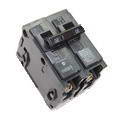
Home Electrical Circuit Breakers
A guide to home electrical circuit breakers and how they work to protect your electrical wiring. When properly installed, your home electrical wiring is protected by a circuit protection device.
Electrical Boxes for Electric Repairs and Home Wiring Projects

Electrical Junction Boxes for Home Wiring
Understanding electrical junction boxes and what they are used for. Home electrical wiring is the process of installing electrical wire to a location that will serve electrical devices or an appliance. One very important component is the box where the wire will be installed. The type and size of the home wiring electrical boxes will depend upon the circuit size, application and its location.

Basic Home Wiring Diagrams
Electrical Wiring Diagram Symbols
Learn about the symbols used for home electrical wiring diagrams.
The following may also be helpful for you:
|
|
Be Careful and Be Safe - Never Work on Energized Circuits!
Consult your Local Building Department about Permits and Inspections for all Electric Wiring Projects.


More articles about Electrical Wiring and Home Electrical Wiring: |
|
| « Previous | Next » |
Repair a GFI Outlet Circuit |
How to Repair Landscape Lighting |