

Electrical Wiring for Generator Connections
 '; ';
|
Why you should never connect a generator in such a way as to back-feed your electrical system. This is extremely dangerous not only to your home but also the electrical utility crews who may be working on downed electrical wires. © By: Dave Rongey |
Wiring Connection for a Generator
Question: I have a Generac 8550/5550 heavy duty generator with 120/240 30amp AC. I ran a Type NM-B 10/3 600v wire into the garage to plug into the dryer, but after reading up on this bad idea. I was wondering if I could take the wire into a stand alone panel box and run smaller circuits into the house to plug in refrigerator, window ac, lamp and maybe a TV on different outlets.
This question is from Guy a Handyman in Jacksonville, Florida.
Additional Comments: This is a great website. Really nice for someone to share their wisdom with others. Thanks
Electrical Connections for a Home Generator
Skill Level: Advanced. This electrical wiring project is best performed by a Licensed Electrical Contractor or Certified Electrician. Not Recommended for Homeowners.
Tools Required: Electricians pouch of hand tools and the various power tools necessary for installing the generator and transfer switch.
Estimated Time: Depends on the type and size of the generator and transfer switch and the available access to the project area.
Precaution: Any existing electrical wiring within the immediate area that may interfere with the installation of the transfer switch may need to be relocated if necessary.
Important: Installing a generator and transfer switch must be well thought out and performed with a permit with all work being inspected.
Wiring Circuits for a Home Generator
Dave’s Reply:
Thanks for your electrical question.
Hello Guy – You are absolutely correct.
IMPORTANT: Never connect a generator in such a way as to back-feed your electrical system! This is extremely dangerous not only to your home but also the electrical utility crews who may be working on downed electrical wires.
The Solution is to install a Transfer Switch and Sub-Panel specifically for essential circuits that you need to have on generator power. This is not advisable for a novice and it is best to have a licensed electrical contractor install this setup for you. This project should be done with an building permit and inspection.
More about Installing a Generator and Transfer Switch
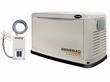
Residential Electric Generators
This series covers a wide variety of topics all about home generators including sizing, selecting, connecting and safely operating this all important addition to your home.
Generator Section
The Importance of a Generator Transfer Switch
Basic Residential Wiring Circuits

-
House Wiring Circuits and Circuit Breakers
- This article looks at common 120 volt and 240 volt house wiring circuits and the circuit breakers that are installed identifying the types and amperage sizes used in most homes.
Residential Electrical Circuit Wiring

-
Electrical Circuit Wiring
- This article looks at common 120 volt and 240 volt house wiring circuits and the circuit breakers that are installed identifying the types and amperage sizes used in most homes.
Home Electrical Panel Circuit Listing
The following may also be helpful for you:
Be Careful and Be Safe - Never Work on Energized Circuits!
Consult your Local Building Department about Permits and Inspections for all Electric Wiring Projects.
More articles about 220 Volt Wiring, Circuit Breaker, Electrical, Electrical Connections, Generator and Home Electrical Wiring: |
|
| « Previous | Next » |
Electrical Question from Cathy about Home Wiring |
Electrical Question from CARLOS about 220 Volt Stove Wiring |