


Causes of Lost Power to Part of a Circuit
|
Basic Electrical Circuits and the Causes of Lost Power – Electrical wires can produce a certain amount of heat when there is a load on the circuit. If there is an electrical splice that is beginning to fail, it will produce more heat due to small amounts of arcing that takes place. © By: Dave Rongey |
Why an Electrical Circuit May Have Lost Power
Electrical Wiring: Last night I noticed that my living room lights would not turn on.
- The first thing I checked was the circuit breaker. The circuit was tripped. I reset the breaker and went back into the room, but the lights would not come on.
- The light switch has two lights connected to it. Living room lights and outside porch light. Both are not working, however, everything else on the circuit works (Bedroom lights, closet light etc.) fine.
- I used a circuit detector to see if the hot wires are hot coming to the switch, and it is not.
- While I was inspecting the switch to see if it was even getting power, my wife and I heard a buzz in the wall, almost like the sound of electricity arcing. When that happened. All of the lights that were on on the circuit dimmed out.
- While the living room light and porch light (which is the only thing NOT working at this point) dimmed on.
- I took down every fixture looking for burnt wires or loose connections. Nothing. I took the light switches and check those too.
- I’m stumped. I don’t understand why power is not going to just one switch and if it’s something faulty…why the circuit does not trip any more.
- FYI. The house is old. 1930’s. So the wire is wrapped in cloth and old.
- The only thing that made this particular day different was rain.
- I went into the attic and checked for leaks onto any junction box or conduit. Nothing.
- I can not pinpoint the buzz sound. It sounds like it’s in the floor one second, then the attic, then the wall.
- I called an electrician but he can not get out here until mid next week. I’ve left the breaker in the off position in the meantime.
Thanks so much.
Richard
This electrical question came from: Richard, a Handyman from Los Angeles , California.
Dave’s Reply:
Thanks for your Electrical Troubleshooting question Richard.
Causes of Lost Power to Part of an Electrical Circuit
Basic Electrical Circuits and the Causes of Lost Power
Richard, after reading your electrical question I suspect a few possibilities:
- First, as an electrician, I would open and inspect the electrical circuit panel where I would pay special attention to the circuit breaker that serves the devices that you have identified.
- I would look to see if there are more than one wire that is attached to the circuit breaker, and if so, is there any sign or arcing that is taking place.
- I would also locate the neutral wire that is associated with this circuit and make the same inspection, looking for multiple wires on one terminal and the condition of the wires.
- If one of these conditions is found then the wires involved will need to be repaired by cutting off any damaged area of the wire and re-striping the wires to make a new connection.
- If the circuit breaker is damaged, then it will need to be replaced.
- If a problem is found at the neutral connection, then a new location on the neutral bar may be necessary for a new attachment.
- All of the inspections and checks in the electrical panel are very dangerous and are best performed by a qualified licensed electrical contractor.
Additional Possibilities Causing Circuit Power Loss
- There may be a buried junction box in a wall where an electrical splice is going bad,and/or we cannot rule out the possibility that a rodent may be involved with this occurrence.
- I mention the possibility of a rodent because of the buzzing that you hear and that the circuit breaker has tripped at one time.
- When there is a change is weather, rodents will seek warmth and shelter.
- Electrical wires can produce a certain amount of heat when there is a load on the circuit.
- If there is an electrical splice that is beginning to fail, it will produce more heat due to small amounts of arcing that takes place.
- If a rodent is involved, then I can only imagine that it is dead and that its body will continue to conduct electrical current until there is no more continuity.
- If this is the case, then there is a very good possibility that you may smell an odor. However, this may be happening without the presence of a rodent, but I needed to mention this because I have seen this happen occasionally.
Richard, you did not mention if there was a crawl space under the home. If there is then there may be a junction box under the home where this occurrence is taking place. Because of the age of the home, as I have mentioned, I believe this is a splice that is going bad. The splice may be enclosed in an electrical junction box, or it may be an open splice that is accessible or inaccessible because it may be buried inside a wall. I suspect that this is a main splice point where the main circuit cable feed is spliced to branch wiring that goes into at least two directions. One direction would be to feed the living room and outside porch lights. The other direction to feed everything else on the circuit that you have mentioned.
This may sound simplistic, but if the buzzing sound is coming from a wall, you can place a glass upside down to the wall and place your ear to to the glass which will amplify the sound a little to help locate the suspected area. Then mark the area with a piece of tape. The same process can be used on the ceiling or the floor.
The point is that the buzz is due to a splice that is going bad or a problem area of a cable where a cable has been damaged. There have been instances where cables that were installed into metal conduits have been damaged and eventually began to arc due to environmental conditions which can aggravate the condition. This two can produce arcing across two or more wires within a cable set. The same is true when rodents chew on the insulation of electrical cables which can eventually cause problems as well.
Richard, this is a dangerous condition and is best identified and repaired by a qualified electrician. There are shock hazards associated with the testing procedures that may be used to help identify the source of the problem.
If it is found that the cause is buried inside a wall, then the wall will need to be opened to make the necessary repairs. Your electrician will be of assistance for locating the suspected area.
I hope this helps you.
Dave
The Following resources will assist you with your electrical question:

Wiring a Light Switch – Diagram 1
Fully Explained Light Switch Wiring Diagrams. Detailed Electrical Wiring Diagrams and Pictures assist your Home Electrical Projects.

-
Electrical Circuit Wiring
- This article looks at common 120 volt and 240 volt house wiring circuits and the circuit breakers that are installed identifying the types and amperage sizes used in most homes.
Electrical Panel Circuit Listing
-
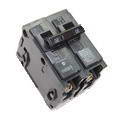
Home Electrical Circuit Breakers
- A guide to home electrical circuit breakers and how they work to protect your electrical wiring. When properly installed, your home electrical wiring is protected by a circuit protection device.
For more information about Lost Power
Why Your Home Lost Power

-
How to Identify Lost Power
- Licensed Electrician Reveals the Secrets of Successful Electrical Troubleshooting Methods used to solve the majority of the home electrical problems and wiring failures encountered.
The following may also be helpful for you:
|
|
Be Careful and Be Safe - Never Work on Energized Circuits!
Consult your Local Building Department about Permits and Inspections for all Electric Wiring Projects.


More articles about Electrical Wiring, Lost Power to Part of Circuit and Home Electrical Wiring: |
|
| « Previous | Next » |
Avoiding a Bad Electrical Contractor |
Replacing Electrical Fuses |