

Cause of No Power to an Electrical Outlet
|
How to Identify and Repair Lost Power to an Outlet when there is one outlet that is not working © By: Dave Rongey |
How to Identify and Repair Lost Power to an Outlet
[ad#block] Electrical Question: I have one outlet in the house that has no power coming from it.
- None of the circuit breakers are tripped and all other outlets work.
- Any ideas why this could be?
Thanks.
This electrical question came from: Uriel, a Homeowner from Riverside, California.
See more about Home Wiring for California
Additional Comments: Very useful.
Dave’s Reply:
Thanks for your electrical question Uriel.
Identify and Repair Lost Power to an Outlet
Lost Power to a Home Electrical Outlet
- Lost power to an outlet is typically caused because there has been a lost connection with one of the circuit wires which is connected to the outlet or at a wiring splice.
- This may be from a burnt connection to a receptacle outlet or a burnt electrical wiring splice.
- The circuit will require careful inspection and then the necessary repairs and replacement of the outlet in order to restore the circuit power to the outlet.
RESOURCES

Wiring Electrical Outlets for the Home
Home electrical wiring includes 110 volt outlets and 220 volt outlets and receptacles which are common place in every home. See how wiring electrical outlets for the home are done.
Using Testers to Identify the Cause of Lost Electrical Power
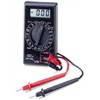
Testers Help Determine Conditions that Lead to Lost Power
Troubleshooting to Find Out Why Your Home Lost Power

How to Identify Lost Power
Licensed Electrician Reveals the Secrets of Successful Electrical Troubleshooting Methods used to solve the majority of the home electrical problems and wiring failures encountered.
Types of Electrical Testers
Using Electrical Testers
Understanding Electrical Testers
When working on home electrical wiring using voltage testers can play an important part in electrical safety. Electrical testers enable you to identify electrical circuits and help prevent the possibility of accidental electrical shock.
Types of Electrical Testers
Using Electrical Testers
You identified your project to be about Troubleshooting, so you might find this information useful:

Troubleshooting and Repairing Electrical Wiring
Licensed Electrician Reveals the Secrets of Successful Electrical Troubleshooting Methods used to solve the majority of the home electrical problems and wiring failures encountered.
The following may also be helpful for you:
|
|
Be Careful and Be Safe - Never Work on Energized Circuits!
Consult your Local Building Department about Permits and Inspections for all Electric Wiring Projects.
More articles about Outlets and Home Electrical Wiring: |
|
| « Previous | Next » |
AFCI Outlet and Circuit Wiring |
Outside Outlet From a 220 Volt Circuit |