

Why Light Switches May Not Be Working
|
Why did my light switch stop working? The Most Common Problems with Light Switches and How to Fix Them. Wiring More Than One Light Switch in the Same Switch Box. © By: Dave Rongey |
Guide to Wiring Multiple Light Switches
Electrical Problem: Why did my light switch stop working?
I have a 3 way light switch that is not working.
- One switch controls the hallway light the other controls the outside light and one is not used.
- I went to turn on the outside light and it would not work.
- I checked the circuit breaker and it was good.
- When I came home the other day and flipped the switch and the light was working.
- Tonight I tried the light switch again and no light.
- I am not sure what could be happening except maybe a short somewhere.
This electrical question came from: Mike, a Homeowner from Meridian, Idaho.
Additional Comments: Great site.
Dave’s Reply:
Thanks for your electrical question Mike.

Fix Wiring Problems with Light Switches
Application: Wiring Light Switches.
Skill Level: Intermediate to Advanced, Best installed by a licensed electrical contractor.
Tools Required: Basic Electricians Pouch Hand Tools and a Voltage Tester.
Estimated Time: Depends on personal level experience, ability to work with tools and the access to the switch box for wiring for the switches.
Precaution: Identify the circuit, turned it OFF and Tag It with a Note before working with the light switch wiring.
Notice: Modifying existing wiring or installing additional electrical wiring should be done according to local and national electrical codes with a permit and be inspected.
The Most Common Problems with Wiring Light Switches and How to Fix Them
When wiring more than one light switch in the same switch box the power source(s) will need to be identified and the circuit wiring must be understood in order to make the correct wiring connections for all of the light switches within the same switch box. The following guide will help you identify the circuit wiring.
Wiring More Than One Light Switch in the Same Switch Box
- Identifying the Circuit Power
- Power In: The incoming power source(s) must be identified.
- Power Out: The outgoing power feeds must be identified
- The circuits of the power source must not become overloaded.
- Keep in mind that the circuit may supply power other devices such as receptacle outlets.
- Keep the Circuit Wiring Isolated
- If it is found that there are more than one circuit then be sure to keep the individual circuits isolated.
- White neutral wires should be isolated as well unless the neutral is being shared within a multi-wire set.
- Three Way Switch Wiring
- Key Factor of Typical Light Switch Wiring:
- Light switches switch the power side of the circuit, not the neutral.
- Remember that white wires may not always be a neutral wire, especially if you see a white wire that is connected to a light switch.
- Use a voltage tester to verify the circuit wiring configurations.
- When a white wire is attached to a 3-way switch a tester may not read the power because of the position of the other 3-way switch.
- Key Factor of Typical Light Switch Wiring:
- Short Circuit in Electrical Wiring
- If you have several light switches or light fixtures that are not working then there may be a short in the electrical wiring, or most likely a loose connection has developed.
- Typically the location of the electrical short will need to located after identifying all of the affected devices that are on the circuits that are not functioning.
- A series of inspections of all the devices of the same circuit will need to be performed until the cause is located, and then the necessary repairs will be required.
More about Wiring Light Switches and Circuit Wiring Diagrams
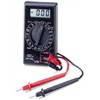
When working on home electrical wiring using voltage testers can play an important part in electrical safety. Electrical testers enable you to identify electrical circuits and help prevent the possibility of accidental electrical shock.
Types of Electrical Testers
The following may also be helpful for you:
|
|
Be Careful and Be Safe - Never Work on Energized Circuits!
Consult your Local Building Department about Permits and Inspections for all Electric Wiring Projects.


More articles about Light Switches, Lighting Circuit Problems and Home Electrical Wiring: |
|
| « Previous | Next » |
When Aluminum Wiring Becomes a Real Fire Hazard |
What is the Correct Electrical Wire Size for Your Project? |