

Testing an Electric Dryer Circuit
|
How to Test a Dryer Plug Circuit to Make Sure the Power is Correct © By: Dave Rongey |
How to Test a Dryer Plug Circuit
[ad#block]Electrical Question: My dryer was shutting off after 10 minutes of running so we junked that one and got a new one and it’s doing the same thing . The old dryer was running find up to 2 weeks ago, we never touched any thing with that line.
This electrical question came from: David , a Homeowner from North East Maryland, Maryland
See more about Home Wiring for Maryland
Dave’s Reply:
Thanks for your electrical question David
Testing a Dryer Plug Circuit
How to Test a Dryer Plug Circuit to Make Sure the Power is Correct
Dryer Circuit Testing
- David, the dryer receptacle should be tested to verify that the 240 volt electrical circuit power is correct with 120 volt to ground and neutral from each power leg.
- When tested using a voltage tester the dryer outlet should show 240 volts between the two angle prongs, and 120 volt between each of these prongs to ground and or the neutral prong.
- This is best performed by a qualified electrician who can make extensive tests at various locations to evaluate and correct any abnormal conditions which may be present.
RESOURCES
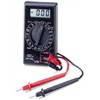
Understanding Electrical Testers
When working on home electrical wiring using voltage testers can play an important part in electrical safety. Electrical testers enable you to identify electrical circuits and help prevent the possibility of accidental electrical shock.
Types of Electrical Testers
Using Electrical Testers
Wiring a Dryer for 3-Wire and 4-Wire Cords
3-Wire and 4-Wire Configurations for Clothes Dryers
See an electric dryer installation with a typical 220 Volt electric power cord wiring system. You may find yourself with either a 3-wire or 4-wire electric dryer, or a 3-wire or 4-wire outlet. Lets look a how the electric dryer is wired and what to do if your cord does not match the plug.
The following may also be helpful for you:
|
|
Be Careful and Be Safe - Never Work on Energized Circuits!
Consult your Local Building Department about Permits and Inspections for all Electric Wiring Projects.


More articles about 240 Volt Dryer Circuit and Home Electrical Wiring: |
|
| « Previous | Next » |
Gas Oven and Electrical Wiring |
Symptoms of a Serious Electrical Problem |