


Connecting Dimmer Switch Wiring for Replacement Light Fixtures

|
Wiring a Dimmer Switch Wiring for Light Fixtures: Basic Wiring for Light Switches and Dimmers, Identify Switch Box Wires. © By: Dave Rongey |
Wiring a Dimmer Switch
Electrical Project: I am trying to replace a ceiling fan with a chandelier light fixture.
- There are 4 sets of wires in the ceiling. 3 sets with black, white, and grounds and one set running to a dimmer switch with red wire, black wire, white wire, and the ground wire.
- In the ceiling, I have tried to wire all black wires together.
- I wired all the white wires together and ran to white wire on light.
- I put the red wire to the black wire of the light fixture.
- The light will not work nor will my kitchen, hallway, and bathroom lights.
Please help.
This electrical wiring question came from: David, a Homeowner from Stow, Ohio.
Dave ‘s Reply:
Thanks for your electrical troubleshooting question David.
Wiring a Dimmer Switch Wiring for Light Fixtures
Skill Level: Beginner to Intermediate.
Tools Required: Basic Electricians Pouch Hand Tools and Voltage Tester.
Estimated Time: Depends on personal level experience and ability to work with tools.
Precaution: Identify the light circuit, turn it OFF and Tag it with a Note before working with the wiring.
Notice: Installing additional fixture wiring should be done according to local and national electrical codes with a permit and be inspected.
Here is a Straight Forward Way to Identify and Understand Electrical Wiring Used for light Switches.
Basic Wiring for Light Switches and Dimmers
- Switches do not require a neutral wire, (which is typically the white wire), unless the switch has a pilot light or it is programmable controller or timer.
- When a “white wire” is used for switching it should be identified with black tape or permanent marker, but in many cases it is not.
- The wiring in this example, the white neutrals up in the ceiling junction box must not be connected to the white wire which goes to the switch, otherwise it will create a direct short and most likely blow out the dimmer switch and trip the circuit breaker.
- Three wires are typically used for the switching process of ceiling fans to enable separate switching for the fan motor and the light switch, however they will share the same power source wire.
- The key is to identify at the switch box which wire is actually used as the power supply, then the other two wire assignments for the light and the fan motor. (The fan motor is never connecter to a dimmer switch, but it can be connected to a speed control switch.)
- Once the wiring has been identified you will see that you have a spare switch and wire, so just decide which one you want to use to control the chandelier and the remaining switch and wire will be spare.
- The other sets of black and white wires up in the ceiling fixture box are the Power In and Power Out cables which will need to be spliced together, color to color.
- The white neutral wire of the chandelier light fixture will attach with the other spliced white neutral wires.
- The ground wires of course will be all bonded together and attached to the metal ceiling fixture box.
More about Wiring a Dimmer Switch
Wiring a dimmer switch
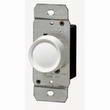
3 Way Dimmer Switch Wiring Diagram
Fully explained 3 way dimmer switch wiring diagram will take the mystery out of wiring a 3-way dimmer switch.
How to Install Ceiling Fans and Wiring
Step-by-step pictures – Easy wiring diagrams and installation guide – Light and fan switch variations.
Light Switch Wiring
Wiring Diagrams
3 Way Switch Diagram
Wiring ceiling fans

How to Install Ceiling Fans
Take the mystery out of ceiling fan wiring. Ceiling Fans are a great way to lower your energy bill and brighten up one of your favorite rooms.
The following may also be helpful for you:
|
|
Be Careful and Be Safe - Never Work on Energized Circuits!
Consult your Local Building Department about Permits and Inspections for all Electric Wiring Projects.
The Safest Way to Test Electrical Devices and Identify Electric Wires!The Non-Contact Electrical TesterThis is a testing tool that I have had in my personal electrical tool pouch for years, and is the first test tool I grab to help identify electrical wiring. It is a Non-contact tester that I use to easily Detect Voltage in Cables, Cords, Circuit Breakers, Lighting Fixtures, Switches, Outlets and Wires. Simply insert the end of the tester into an outlet, lamp socket, or hold the end of the tester against the wire you wish to test. Very handy and easy to use.
The Quickest Way to Check for Faulty Electrical Wiring!The Plug-In Outlet TesterThis is the first tool I grab to troubleshoot a problem with outlet circuit wiring. This popular tester is also used by most inspectors to test for power and check the polarity of circuit wiring. It detects probable improper wiring conditions in standard 110-125 VAC outlets Provides 6 probable wiring conditions that are quick and easy to read for ultimate efficiency Lights indicate if wiring is correct and indicator light chart is included Tests standard 3-wire outlets UL Listed Light indicates if wiring is incorrect Very handy and easy to use.
Strip Off Wire Insulation without Nicking and Damaging the Electric Wire!The Wire Stripper and Wire CutterMy absolute favorite wire stripping tool that I have had in my personal electrical tool pouch for years, and this is the tool I use to safely strip electrical wires. This handy tool has multiple uses: The wire gauges are shown on the side of the tool so you know which slot to use for stripping insulation. The end of the tool can be used to grip and bend wire which is handy for attaching wire onto the screw terminals of switches and outlets.. The wire stripper will work on both solid and stranded wire. This tool is Very Handy and Easy to Use. |
||


More articles about Ceiling Light Fixture and Home Electrical Wiring: |
|
| « Previous | Next » |
Electrical Wiring for a Workshop Panel |
Dimmer Switch Wiring and 3-Way Switches |