Home Generators and Back Feeding Electrical Power
|
How to Connect a Generator to a Home – There are illegal methods of connecting a generator to a home to provide temporary power that can be very dangerous, the proper way to connect generator power to the home electrical system is by providing a separation between the utility company power supply and the generator.
© By: Dave Rongey
|
NEVER Back Feed A Home with Generator Power!
Electrical Question: I have a Briggs & Stratton portable generator model pro8000 01934.
I want to back feed the house and the GFCI trips.
It has the neutral bonded to the frame,and I want to float it and I can’t get any good wire schematics from Briggs,just 2 hours wasted on the phone with people who are clueless.
Where would I find the Neutral to disconnect?
Once I do, I will terminate with a connector for stand alone when needed.
This electrical wiring question came from: Dennis, a Electrician from Phillips, WI.
Additional Comments: nice!
Dave’s Reply:
Thanks for your electrical wiring question Dennis.
Why Back Feeding Generator Power to a Home is Very Dangerous
Dennis, I’m sorry but I do not recommend back feeding a home with power from a generator due to the electrical dangers involved not only in the home electrical system but also the danger of back feeding the electrical utility system and creating lethal voltage for linemen who may be working on the power lines.
Additionally, I do not recommend disconnecting the built in GFCI protection that is installed in the generator unit by the manufacturer.
How to Connect a Generator to a Home
There are illegal methods of connecting a generator to a home to provide temporary power that can be very dangerous and these methods should never be used.
The proper way to connect generator power to the home electrical system is by providing a separation between the utility company power supply and the generator power so that the two sources of power can never be supplying power at the same time.
In Cases Where You Need Emergency Power from a Generator
- Make sure the generator is out of areas where there may be flooding.
- Make sure the generator is on a level area where it is stable and secure.
- Store back up fuel in a safe outdoor location located away from the generator.
- Do not operate a portable generator indoors or near windows that may opened – exhaust fumes are hazardous and can be deadly.
- Temporary power connections must be made using heavy gauge extension cords that are rated for the circuit size as stated on the generator or the receptacle outlet of the generator.
- Do NOT back-feed the home electrical system or use cheater cords – THIS IS EXTREMELY DANGEROUS!
- Keep the cord receptacle connection at the end of the cord out of water.
- Do not connect an appliance to any power source that is exposed to water, unless the submerged portion of the equipment is rated for use in wet areas such as sump pumps.
- Do not cover an operating generator in such a way as to trap exhaust heat and cause a fire. Generators need space to dissipate heat and expel exhaust.
More about Generators for the Home
Generator Section
The Importance of a Generator Transfer Switch
Generator Articles
Generator Questions and Answers
GFCI Outlet Wiring
Home Generators
Home Generators
This series covers a wide variety of topics all about home generators including sizing, selecting, connecting and safely operating this all important addition to your home.
electrical wire
Electrical Wire for the Home
Complete listing of electrical wire types and parts used for home projects with electrical code information serves as selection guidelines.
The following may also be helpful for you:
A Complete Guide to Home Electrical Wiring
Be sure to get your copy of my BIG Book:
Perfect for Homeowners, Students and Electricians
Includes:
Home Electrical Wiring - Room by Room
120 Volt Circuits
240 Volt Circuits
Multi-Wired Circuits
Wiring Methods for Installing Home Electrical Circuit Wiring
Electrical Codes for Home Electrical Wiring
....and much more.
|
Be Careful and Be Safe - Never Work on Energized Circuits!
Consult your Local Building Department about Permits and Inspections for all Electric Wiring Projects.
Electrical Tips to Help You Wire it Right
|

The Safest Way to Test Electrical Devices and Identify Electric Wires!
The Non-Contact Electrical Tester
This is a testing tool that I have had in my personal electrical tool pouch for years, and is the first test tool I grab to help identify electrical wiring. It is a Non-contact tester that I use to easily Detect Voltage in Cables, Cords, Circuit Breakers, Lighting Fixtures, Switches, Outlets and Wires. Simply insert the end of the tester into an outlet, lamp socket, or hold the end of the tester against the wire you wish to test. Very handy and easy to use.

The Quickest Way to Check for Faulty Electrical Wiring!
The Plug-In Outlet Tester
This is the first tool I grab to troubleshoot a problem with outlet circuit wiring. This popular tester is also used by most inspectors to test for power and check the polarity of circuit wiring.
It detects probable improper wiring conditions in standard 110-125 VAC outlets
Provides 6 probable wiring conditions that are quick and easy to read for ultimate efficiency
Lights indicate if wiring is correct and indicator light chart is included
Tests standard 3-wire outlets
UL Listed
Light indicates if wiring is incorrect
Very handy and easy to use.

Strip Off Wire Insulation without Nicking and Damaging the Electric Wire!
The Wire Stripper and Wire Cutter
My absolute favorite wire stripping tool that I have had in my personal electrical tool pouch for years, and this is the tool I use to safely strip electrical wires.
This handy tool has multiple uses:
The wire gauges are shown on the side of the tool so you know which slot to use for stripping insulation.
The end of the tool can be used to grip and bend wire which is handy for attaching wire onto the screw terminals of switches and outlets..
The wire stripper will work on both solid and stranded wire. This tool is Very Handy and Easy to Use.
|
Electrical Parts to Help You Wire it Right

Generator Parts and Accessories
Portable Generator Cords
Generator Interlock Kit
Generator Transfer Switch
Transfer Switch Kit - 30 Amp 10-Circuit
200 AMP Smart Transfer Switch - Single Phase Generator Controller
6000 Watt Portable Generator
12000 Watt Portable Generator
|
More about: Generators and back feeding electrical
Home Generators and Back Feeding Electrical Power
How to Prevent Generator Overload and a Tripped Circuit
Home Generator and Transfer Switch Connection Video
How to Wire a Generator Cord
Generator Receptacle Configurations
Can A Dryer Be Connected to a Generator?
Connecting a Generator to a Home Videos
- Home Generators and Back Feeding Electrical Power
How to Connect a Generator to a Home - There are illegal methods of connecting a generator to a home to provide temporary power that can be very dangerous, the proper way to connect generator power to the home electrical system is by providing a separation between the utility company power supply and the generator.
Top of List DIY Home Electrical Wiring Projects
- How to Prevent Generator Overload and a Tripped Circuit
How can I set up a small generator to keep my essential items powered up? How to Identify Home Circuits and Prioritize the Run Time.
Top of List DIY Home Electrical Wiring Projects
- Home Generator and Transfer Switch Connection Video
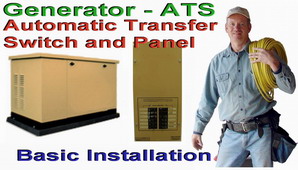
How can I connect a generator and transfer switch to my house to supply electricity? Basic Generator Connection to Power a Home, Generator Transfer Switch and Panel.
Top of List DIY Home Electrical Wiring Projects
- How to Wire a Generator Cord
Should a generator cord have 3 or 4 wires? How to Wire a Cord for a Generator, Connecting a 3-Wire and 4-Wire Cord to a Generator, Generator Cord and Connector Amperage Ratings.
Top of List DIY Home Electrical Wiring Projects
- Generator Receptacle Configurations
Wiring a Generator Receptacle: Generator Hookup and Receptacle Configurations, Wiring a Neutral Wire for a Generator.
Top of List DIY Home Electrical Wiring Projects
- Can A Dryer Be Connected to a Generator?
Generator Power for an Electric Dryer: 3-Wire and 4-Wire Connections for a Dryer to a Generator.
Top of List DIY Home Electrical Wiring Projects
- Connecting a Generator to a Home Videos
How to Connect a Generator to a Home: Safe Methods for Connecting a Home Generator, Approved Transfer Switch, Circuit Breaker Interlock Kit, Well Pumps and other 220 Volt Circuits, Sensitive Electronic Devices and Equipment, Connecting the Generator.
Top of List DIY Home Electrical Wiring Projects
|